The pop-up shop had its moment. That moment is over.
You know the formula: rent a space for a weekend, put up some branded wallpaper, add a neon sign, sell some products, call it a "pop-up."
In 2018, this was exciting. In 2026, it's boring.
People don't want to visit a temporary store. They want to be transported. They want to feel something. They want content.
The brands winning IRL aren't doing pop-ups. They're creating experiences.
Why Traditional Pop-Ups Stopped Working
1. Everyone Did It
When every brand has a pop-up, pop-ups become noise. There's nothing special about a temporary store anymore.
2. Retail Isn't Exciting
People can buy your product online. Coming to a physical space just to... buy something? That's not worth the trip.
3. Content Value is Low
A photo in front of your logo wall? That's one Story. An immersive experience? That's a Reel, a TikTok, a carousel, and word-of-mouth.
4. No Emotional Connection
Pop-ups are transactional. Experiences are emotional. Transactions are forgotten. Emotions are remembered.
The Experience Shift
Here's what separates a pop-up from an experience:
| Pop-Up | Experience |
|---|---|
| You go there to shop | You go there to do something |
| Branded environment | Immersive environment |
| Product-focused | Story-focused |
| Transaction goal | Emotion goal |
| One photo op | Multiple content moments |
| Forgettable | Shareable |
5 Experience Formats That Actually Work
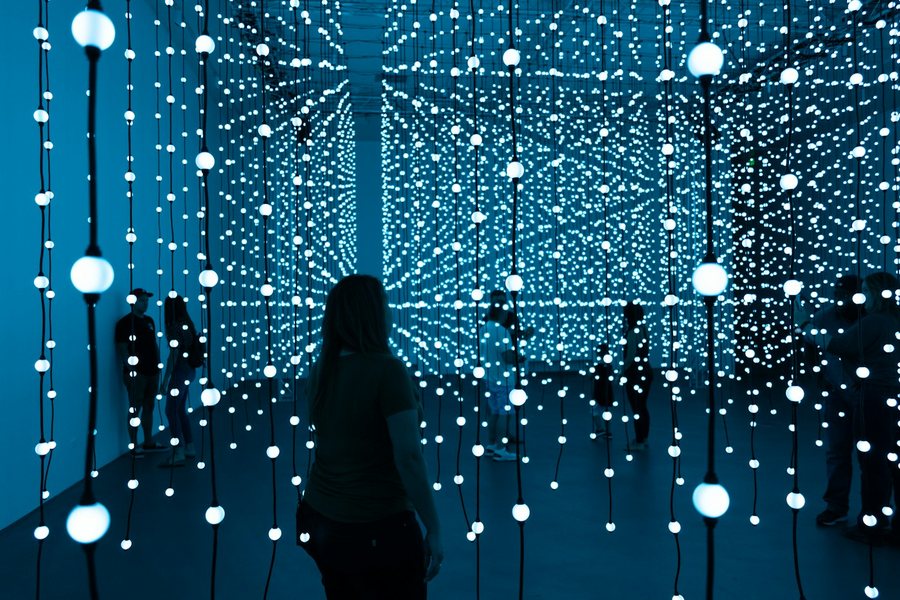
1. The Immersive World
What it is: Step into a completely different environment. Not "shopping" — exploring.
Examples:
- Museum-style brand exhibitions
- Multi-room narrative experiences
- Full sensory environments (scent, sound, touch)
Why it works: People don't share shopping. They share adventures.
2. The Interactive Activation
What it is: Participation, not observation. Visitors do something.
Examples:
- Customization stations
- Games with prizes
- AR/VR experiences
- Hands-on creation workshops
Why it works: Active participation creates memory. And content.
3. The Cultural Moment
What it is: Attach your brand to a moment that already matters — a cultural event, a holiday, a movement.
Examples:
- Art Basel activations
- Festival partnerships
- Holiday pop-ups with genuine cultural relevance
- Community events sponsorship
Why it works: You inherit the cultural relevance of the moment.
4. The Content Studio
What it is: Design the space specifically for content creation. Make it impossible not to film.
Examples:
- Multiple distinct photo moments
- Lighting designed for phones
- Props and setups that invite participation
- Content challenges or prompts
Why it works: Attendees become your marketers. Their content is your ROI.
5. The Exclusive Access
What it is: Make the experience hard to get into. Scarcity creates desire.
Examples:
- Invite-only events
- Limited capacity
- Secret locations
- Lottery or waitlist access
Why it works: Exclusivity makes sharing more valuable. "I was there" matters when not everyone was.
How to Design an Experience That Works
Step 1: Start With the Content
Ask: "What will people post?"
If you can't picture the exact Reel or TikTok, redesign.
Work backwards from the content you want to generate, not forward from "we should do an event."
Step 2: Create Multiple Moments
One photo op = one Story.
Five photo ops = a Reel, a carousel, multiple Stories, and a TikTok.
Design for:
- The hero shot (the main spectacle)
- The detail shot (beautiful small touches)
- The video moment (movement, interaction)
- The friend shot (group participation)
- The product shot (organic integration)
Step 3: Build in Participation
Passive: They look at your thing
Active: They interact with your thing
Creative: They create something at your thing
Move up this ladder. The more active, the more memorable.
Step 4: Make It Shareable by Default
- Great lighting (natural or supplemented)
- Uncluttered backgrounds
- Clear "stand here" moments
- Hashtag or handle visible but not obnoxious
- Staff ready to help take photos
Step 5: Extend Beyond the Event
The experience doesn't end when people leave:
- Content series from the event
- Attendee repost strategy
- Behind-the-scenes breakdown
- Teaser to Live to Recap content arc
One event = weeks of content.
The Budget Reality
"But experiences are expensive."
Sure. But what's the real ROI on a boring pop-up that generated 12 Stories and 0 virality?
Better approach: Do fewer things, make them better.
One unforgettable experience per year beats four forgettable pop-ups.
If budget is limited:
- Partner with venues/events to reduce costs
- Design for maximum content ROI
- Focus on one killer moment, not everything
The Bottom Line
People don't need more places to shop. They need more places to feel something.
The brands building loyalty in 2026 aren't opening temporary stores. They're creating temporary worlds.
Stop doing pop-ups.
Start creating experiences.