
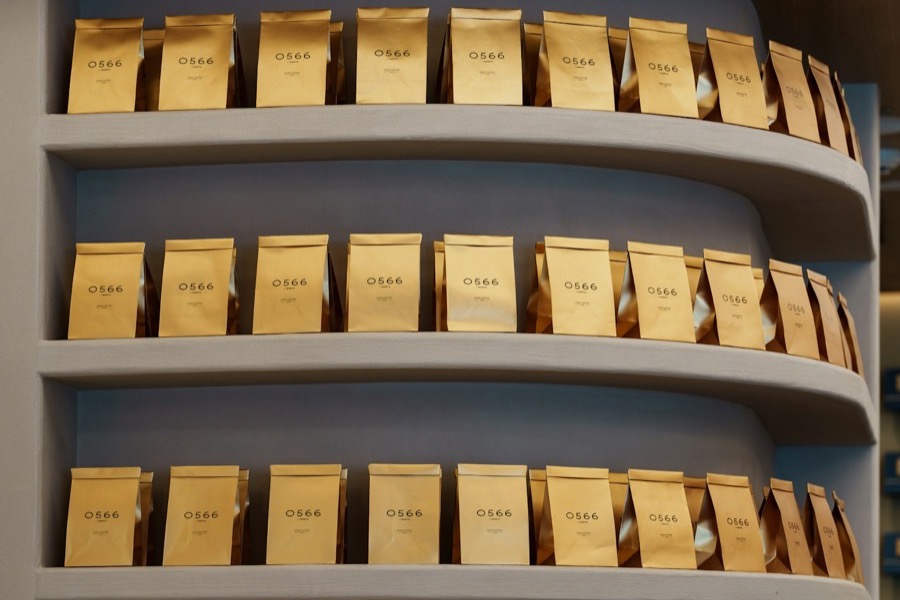
A shelf is a billboard people can buy from.
For a small coffee or packaged food brand, local stockists do two things at once. They sell product, and they put your brand in front of people who already shop for quality, in a setting that vouches for you. A bag on the shelf of a well-loved neighborhood market says more than a month of ads.
Getting there is less about luck than about choosing the right stores and making the decision easy for the buyer.
Choose stores the way a customer would
- Start close. Independent markets, gift shops, bakeries, wine shops and concept stores within a short drive. You can restock, visit and do tastings without it becoming a logistics project.
- Match the shelf. Look at what they already carry. If the shelf is full of premium local brands, you fit. If it is all discount multipacks, you probably do not.
- Check they are still open. It sounds obvious. Small shops close or move often, so confirm recent reviews and posts before you plan a visit.
- Find the buyer. In small shops it is usually the owner or a manager. Ask in person who decides on new products and when they are usually in.
Make the buyer's decision easy
Buyers are not asking "is this good coffee?" first. They are asking "will this sell here, and is it easy to work with?" Your pitch should answer that.
- A one-page sell sheet. Product photos, bag sizes, roast or flavor notes, wholesale and suggested retail price, minimum order, delivery area, shelf life and how to reorder.
- A sample they can taste. Brewed if possible. Leave a bag for the staff, too. Staff who like your product recommend it.
- A reason it fits them. Local roasting, a story their customers care about, a gap on their shelf.
- Low risk to start. A small opening order, or a trial period, lowers the barrier for a shop that has never heard of you.
Work out the numbers first
Retailers need margin to make your product worth the shelf. Before you pitch, know your cost per bag, your wholesale price and the retail price the shop would need to charge. If the math only works at a price nobody will pay, fix that before you walk in.
After the bag is on the shelf
This is where most small brands stop, and why many first orders are also the last.
- Announce every new stockist. Post it, tag the shop, put it on a "Where to buy" page on your website. Shops love brands that send customers to them.
- Do an in-store tasting. A Saturday morning tasting moves more bags than any shelf talker.
- Give them content. Photos and short clips they can post. Most small shops would love to post more and do not have the time to make it.
- Check in before they run out. A quick visit or message every couple of weeks keeps you on the shelf and on their mind.
Keep a simple tracker
A spreadsheet is enough: store, area, buyer name, date visited, samples left, status, order dates, notes. It turns a pile of visits into a pipeline you can actually follow up on.
The bottom line
Pick stores that look like your customer, make the buyer's yes easy with clear numbers and a good sample, then support every stockist like a partner. The second order is the one that proves it worked.
Want help building a stockist list and the materials to pitch it? Let's talk.