
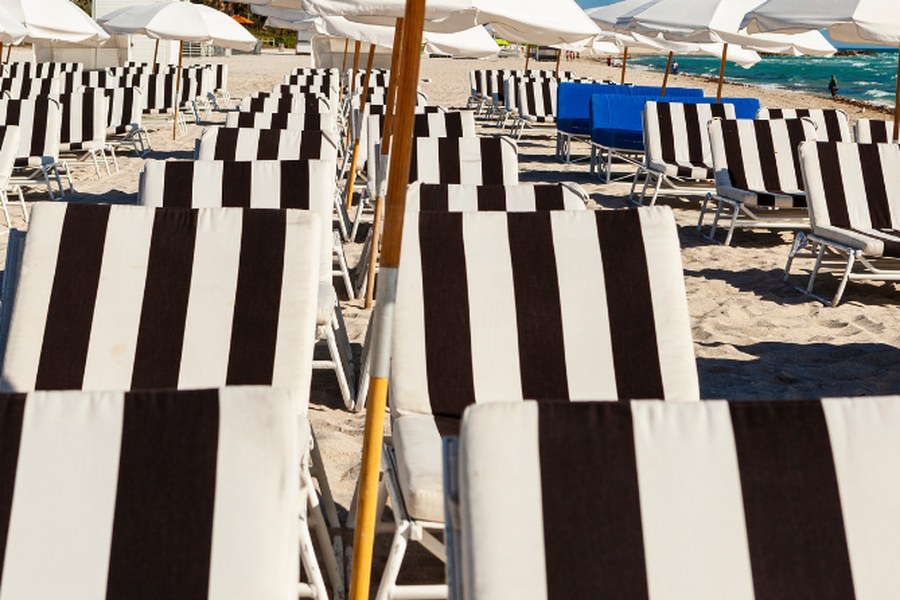
Miami has hundreds of places to sleep. A boutique hotel has to be the reason someone chooses the trip.
Boutique hotels here compete with the big brands on one side and short-term rentals on the other. They cannot win on loyalty points or on price. They win on character — the feeling of a place — and on turning locals into regulars at the bar, the pool and the restaurant. Season is starting, so this is the moment to get both right.
Reduce dependence on the booking sites
Online travel agencies bring volume but take a meaningful commission on every room and keep the guest relationship. The goal is not to leave them, it is to shift the mix toward direct bookings:
- A website that books in three taps on a phone, with the best rate or a perk only available direct. See website conversion.
- Retargeting for people who visited the site but did not book. More in retargeting that works.
- Capturing every guest's contact and inviting them back directly for their next stay.
Sell the feeling, not the room
Room photos all look alike. What people remember and share is the experience around the room:
- The pool at golden hour, the rooftop at night, the first coffee on the balcony
- The neighbourhood — the walk to the beach, the gallery next door, the local spot the staff recommend
- The details — the scent in the lobby, the welcome drink, the handwritten note
Short vertical video of these moments does more than any gallery. Our visual storytelling guide covers how to plan it.
Win the locals
The hotels that thrive year-round have a restaurant, bar or pool that locals use. Locals fill the slow summer months, create atmosphere that guests photograph, and recommend the hotel to visiting friends and family.
- Day passes and pool memberships for residents
- A recurring weekly event — a DJ night, a supper club, a Sunday brunch — that becomes a habit
- Local partnerships with gyms, boutiques and wellness brands. See strategic collaborations.
- Treat the food and beverage programme as its own brand, with its own content. Restaurant marketing in Miami applies directly.
Creators and the right kind of stays
Hotels receive constant requests for free stays from creators. The ones that pay off:
- Creators whose audience actually lives in or travels to Miami — check where their followers are, not just how many
- A written agreement: deliverables, usage rights, and dates, so the content can be reused in ads. See influencer contracts.
- Stays timed to slow periods, not peak weekends
Ride the event calendar
Art Week, the boat show, the Grand Prix, major concerts and conferences all drive demand. Plan packages and content for each months ahead, not the week before. Our Miami and Fort Lauderdale event calendar is a good starting point.
Reviews are the booking decision
Travellers read recent reviews before they book almost anything. Ask every happy guest, respond to every review within a day or two, and fix what the reviews repeat. More in reviews and reputation.
What to measure
- Direct booking share versus booking sites
- Food and beverage revenue from non-guests
- Repeat guest rate
- Review volume and average rating month over month
- Occupancy in the shoulder and summer months, where marketing makes the biggest difference
The bottom line
Sell the feeling of the place, grow direct bookings, make the hotel a local habit, choose creators by audience location, and plan around the event calendar. That is how a boutique hotel stays full beyond peak season.
Want a hospitality marketing plan for the season? Let's talk.